Confirm the inspection requirement
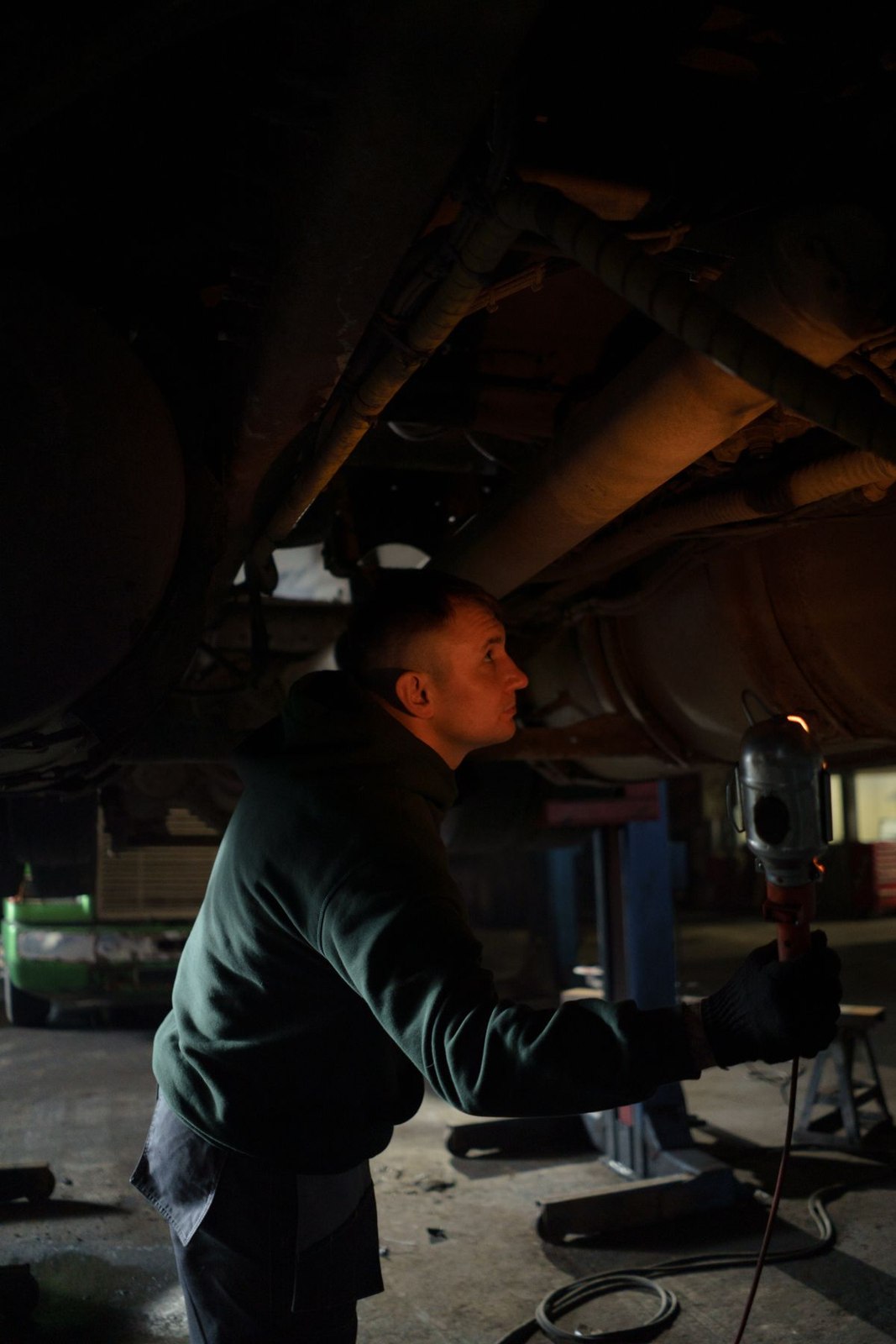
Check the date, process and fee that apply to your vehicle and location through an official source or authorised provider. Inspection systems differ, so do not assume another region's schedule or pricing applies to you.
Record the known fee as a planned expense. If past inspections or a mechanic's assessment suggest likely work, keep those estimates separate from the inspection itself. A fee quote does not guarantee the vehicle will need no repairs.
Save before the due date
For an illustrative $80 inspection with $20 already reserved and four months to prepare, $15 monthly covers the known balance. A separate $200 repair allowance would require additional saving if you choose to build it. Calling the total target $80 would otherwise conceal the possible extra requirement.
The repair allowance is a planning margin, not a prediction or a safety assessment. If a fault is already known, obtain appropriate advice rather than waiting for the inspection to confirm it.
Leave time for follow-up
Arrange the inspection early enough within the applicable rules to handle any required next steps. A budget can be sufficient while the schedule is still too tight to arrange repairs or alternative transport.
After the inspection, record the actual fee, any work required and the next relevant date. Retain unused reserve deliberately for future vehicle costs or reassign it. The useful habit is distinguishing a known recurring payment from uncertain follow-up work, so neither gets lost inside a general car-spending category.