Check the space before the price
Measure the available space, access route and door clearance. Confirm the capacity and features your household actually needs. A discounted model that cannot be installed properly is not a useful savings target.
When comparing real options, check the complete quoted cost: delivery, installation if required, removal of the old appliance and any necessary modifications. Energy information may help compare running costs, but use the product's stated assumptions and your own usage context carefully.
Prepare the replacement fund
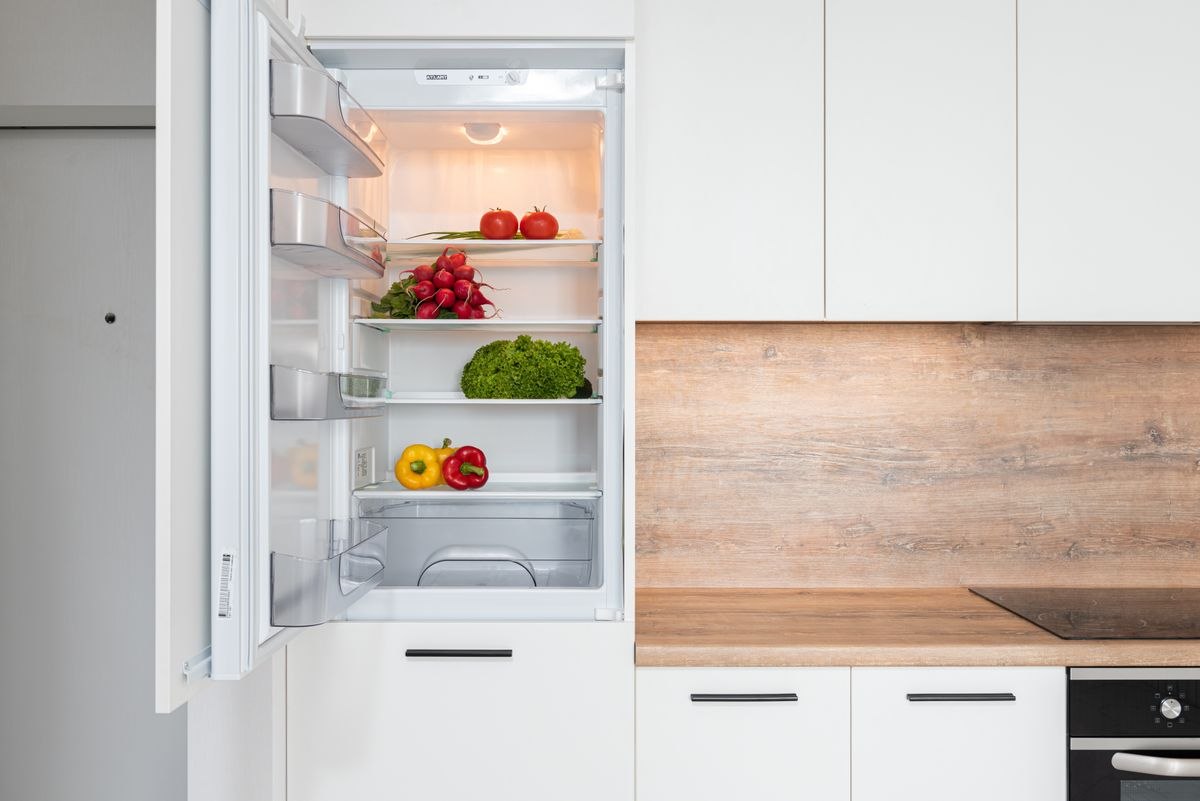
Suppose a suitable refrigerator costs $620, delivery and removal total $80, and $200 is already saved. The remaining $500 requires $50 monthly over ten months. The example excludes interest and assumes the target stays unchanged.
If the current appliance is failing, ask an appropriate professional about repair and safe use. A savings deadline is not a reason to ignore a fault or compromise food safety. The plan may need a different timeline or a more affordable suitable replacement.
Avoid spending the margin on extras
When the target is nearly reached, revisit the requirements rather than automatically upgrading to the largest model affordable. Features add value only if they solve a real household need. Keep any practical contingency separate from optional upgrades.
Before purchase, confirm access, delivery date and what the provider will actually remove or connect. Retain receipts and warranty details. If the final cost is lower than the reserve, the remaining money can support another household replacement. Reaching a target gives you choices; it does not create a requirement to spend the full balance.