Define the result you are measuring
A side project's revenue is the amount earned from sales before subtracting expenses. Profit is what remains after the relevant costs under the accounting method being used. Cash received can differ from revenue when customers pay later or when deposits relate to work not yet completed.
For a simple planning review, begin with completed sales and the direct costs of fulfilling them. Then add platform charges, packaging and other attributable expenses. Keep taxes and formal accounting requirements separate until you understand the rules that apply to the activity in your jurisdiction.
Work through a small batch
Imagine you sell 20 handmade items for $15 each, producing $300 of gross revenue. Materials cost $90, packaging $20 and selling fees $30. Subtracting those $140 costs leaves $160 before other overhead, taxes and any allowance for your own labour. Calling the full $300 earnings would overstate the result.
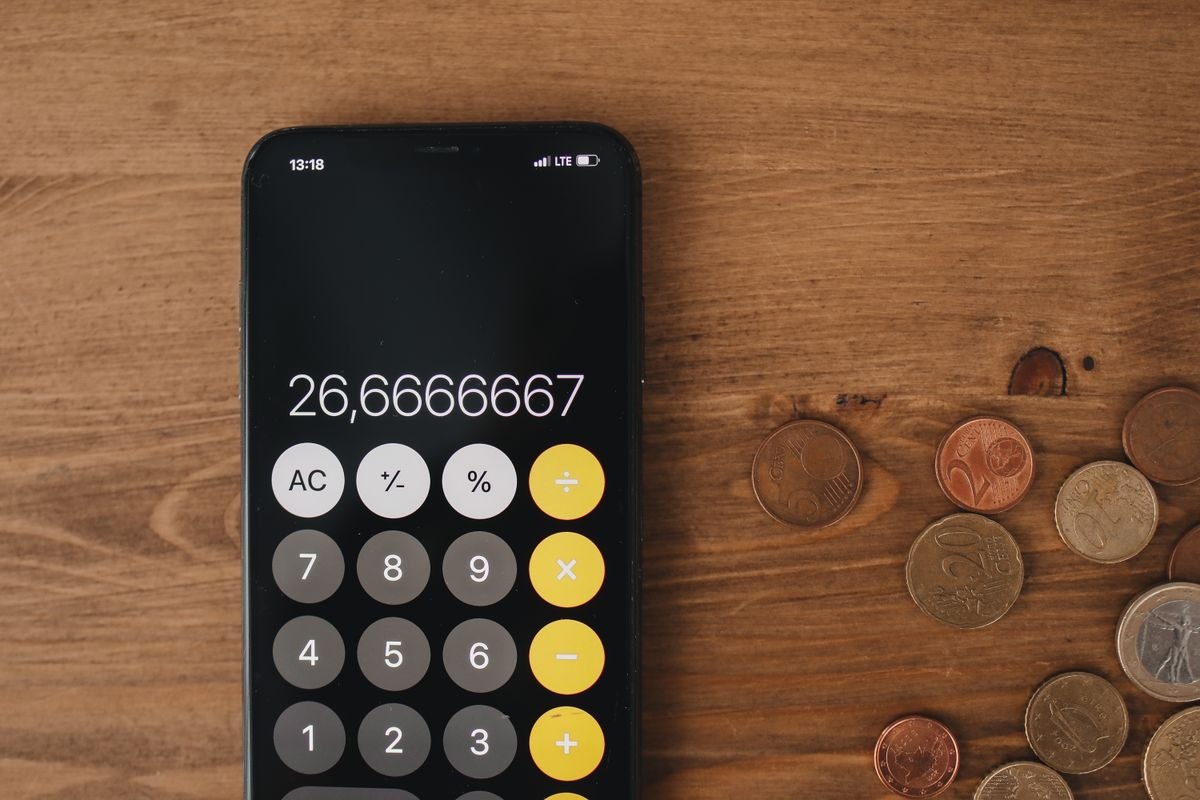
If the batch took eight hours, $160 divided by eight is $20 per hour before those omitted costs. That figure is useful for evaluating the project but is not automatically a wage or final net income. Equipment replacement, unsold stock and customer returns can also affect the overall picture.
Separate cash movement from performance
Buying materials for several future batches creates an immediate cash outflow even though only part may belong to the batch being reviewed. Record quantities used and stock remaining so that one month is not made to look artificially unprofitable while the next appears cost-free.
Keep business records separate from household spending and avoid treating every transfer into your personal account as newly generated profit. Review both the project's cash position and its costs per completed sale. A simple, consistent record helps you decide whether to change prices, reduce waste or stop an activity whose sales volume looks impressive but leaves too little after expenses. Record refunds against the related sale so that revenue totals do not retain money you ultimately returned to the customer.