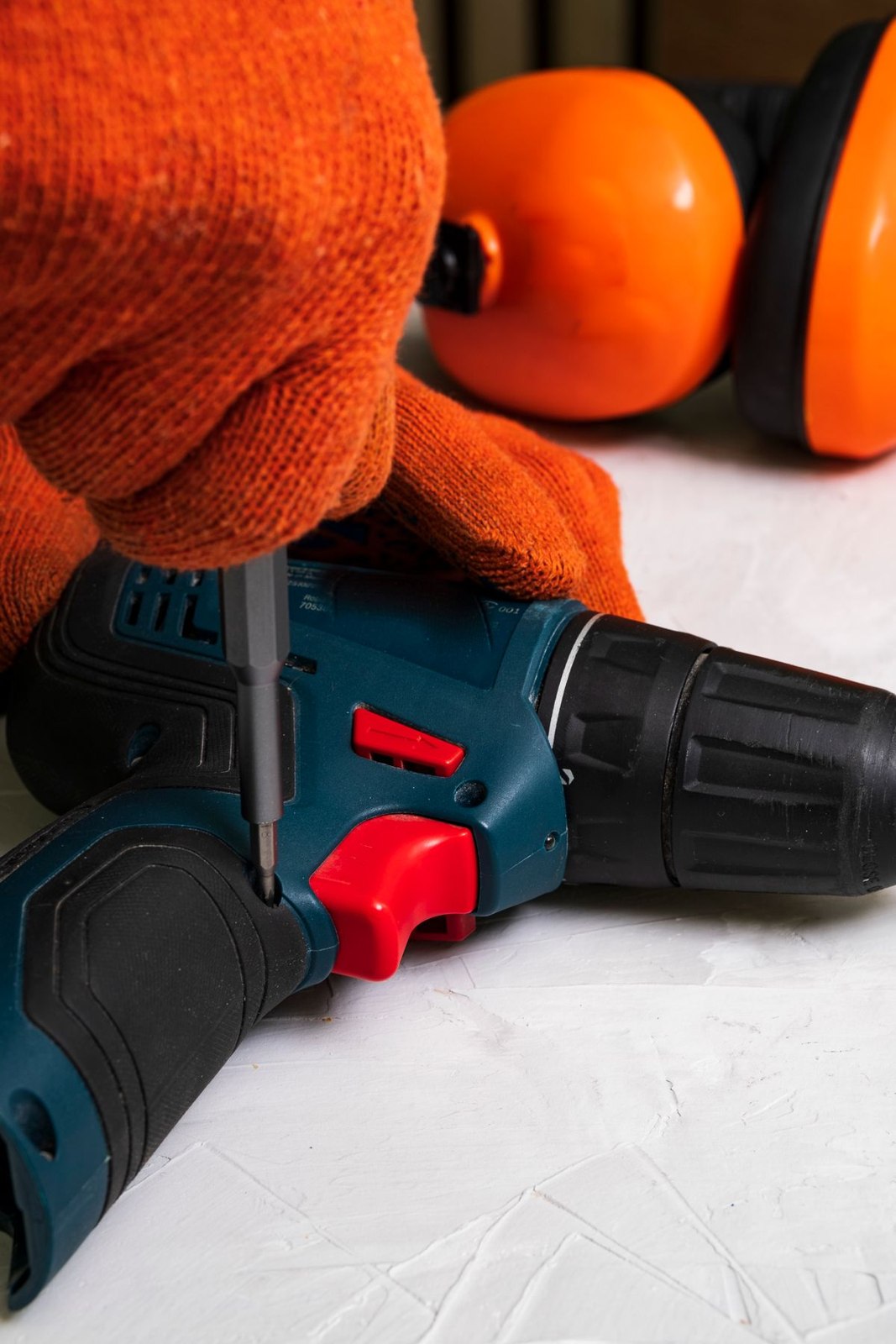
Specify the job and the tool
Establish what the work requires before comparing prices. Capacity, attachments and suitable operating instructions matter more than owning a familiar brand. If the job requires training or professional help, a cheap purchase does not remove that need. Select an appropriate tool and safe way to complete the task first.
List the dates on which it will be needed. Several tasks completed over one hire period differ from the same tasks spread over months. Include collection and return time, and check whether consumables or accessories are supplied with either option.
Calculate the complete hire period
Suppose an invented hire costs $25 per day, with $10 travel and $8 consumables for a two day project. Its total is $68. A suitable purchase costs $140 plus the same $8 consumables, totalling $148. Buying requires $80 more for this project before considering later use.
Deposits need available cash but are not automatically a final expense. Record them separately and read the conditions under which charges could be deducted. If you expect another project, compare its additional hire cost with ownership costs rather than assuming every future job will definitely happen.
Check the space between jobs
Owning a tool means storing and maintaining it between uses. Consider whether suitable storage exists and who will be responsible for keeping it usable. Do not count an optimistic resale value as guaranteed money recovered; actual demand and condition may differ when you decide to sell.
Hiring can be practical for infrequent work, while buying can suit repeated use over a long period. Before collecting a rental, inspect the agreed condition and confirm the return deadline. Before buying, verify that it is the exact specification required. The sound decision comes from the real schedule and complete costs, not from a general rule that ownership is always economical or that renting is always temporary waste.
Check whether the hire period includes weekends and collection hours, since the usable working time may differ from the advertised duration.