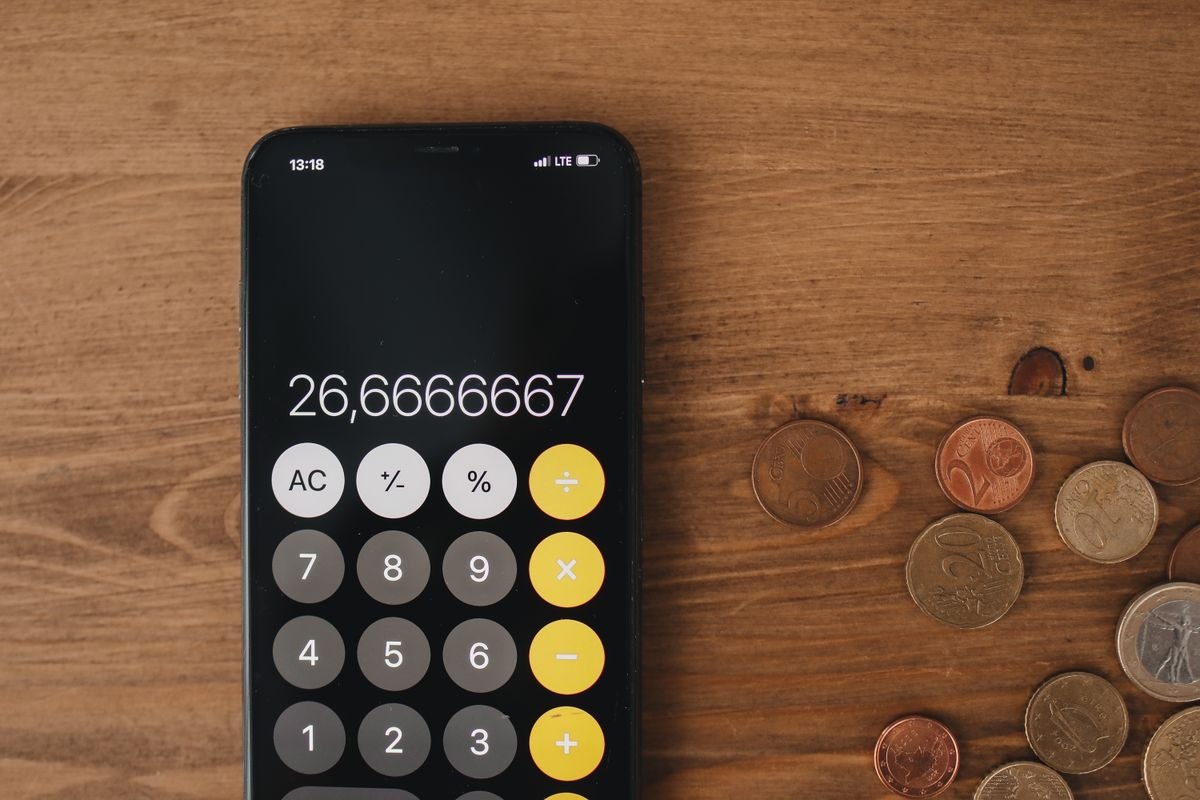
Keep the exact total as the control
When splitting a bill, calculate shares from the final agreed total, including only the items and charges the group intends to share. Separate personal purchases first if that is the arrangement. Agree on the method before transferring money so that rounding does not become a distraction from a larger disagreement about fairness.
Keep calculations at full precision until deciding the actual amounts payable. Currency transfers usually require whole minor units, such as cents, so an exact mathematical share may not be a usable payment amount. The contributions still need to add back to the bill.
Allocate the remainder explicitly
A $100 bill divided among three people is $33.333... each. Three payments of $33.33 total $99.99, leaving one cent. One person can pay $33.34 and the other two $33.33, which totals exactly $100. For repeated shared bills, rotate who takes the extra cent if that feels fair to the group.
With percentage shares, the same issue can occur after each share is rounded. Calculate the rounded amounts, add them and compare the sum with the bill. Allocate any remaining cents using an agreed rule rather than repeatedly changing the original total to force a match.
Reconcile reimbursements and refunds
If one person paid the merchant, record that payment separately from the transfers reimbursing them. The household or group should not count both as additional purchases. Mark who has paid and retain the receipt until the shared balance is settled.
Handle a later refund
When a refund arrives, use the original allocation method unless everyone agrees otherwise. A $10 refund on the equally shared $100 example also requires a one-cent rounding decision if divided into thirds. Keep the process proportional to the amount involved: a simple visible record is enough for ordinary meals, while a larger trip may justify a shared ledger with each person's contributions and reimbursements clearly listed.